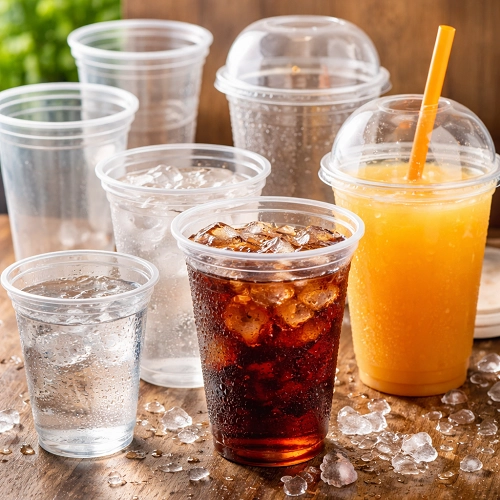
Plastic PET cups have become ubiquitous in modern life, serving a critical role in the food and beverage industry. From coffee shops to fast-food chains, from household use to large-scale events, polyethylene terephthalate (PET) cups are a versatile solution for liquid containment.
1. Introduction to PET Cups
Polyethylene terephthalate (PET) is a thermoplastic polymer belonging to the polyester family. It is widely used to manufacture beverage containers, including bottles and cups, due to its clarity, strength, and lightweight properties. PET cups combine these advantages with convenience and cost-effectiveness, making them a staple in single-use and disposable packaging markets.
Key Advantages of PET Cups:
- Transparency: Offers a glass-like appearance, allowing consumers to see the beverage.
- Lightweight: Easier to transport than glass or metal containers.
- Strength and Durability: Resistant to cracking and breaking under normal use.
- Barrier Properties: Provides a moderate barrier against gases like oxygen and carbon dioxide, helping preserve beverages for a reasonable duration.
- Recyclability: PET is highly recyclable, forming closed-loop systems for bottles and cups.
2. Technical Properties of PET
PET’s physical and chemical characteristics make it ideal for food and beverage packaging. Some critical properties include:
| Property |
Description |
| Density |
1.38–1.40 g/cm³ |
| Melting Point |
250–260°C |
| Glass Transition Temperature |
~70–80°C |
| Tensile Strength |
55–75 MPa |
| Impact Resistance |
High for a transparent polymer |
| Moisture Resistance |
Moderate (requires coatings or barrier layers for full impermeability) |
| Gas Permeability |
Low to moderate (oxygen transmission rate ≈ 1–5 cc/m²/day/bar) |
Implications for Cup Use:
- PET can safely contain cold beverages, carbonated drinks, and certain hot beverages up to approximately 70–80°C.
- PET’s transparency ensures consumer appeal and brand visibility.
- PET is relatively stable under UV light and chemicals typically found in beverages.
3. Manufacturing Process
PET cups are primarily manufactured through thermoforming, although injection molding and extrusion are also used.
3.1 Thermoforming
- Sheet Production: PET granules are melted and extruded into sheets.
- Heating: Sheets are heated to a pliable temperature.
- Forming: Cups are formed using a mold via vacuum or pressure.
- Cooling: Cups are rapidly cooled to retain shape.
- Trimming: Excess material is removed, and rims are finished for strength and comfort.
3.2 Injection Molding
- PET pellets are injected into a mold under high pressure.
- This process produces cups with more intricate shapes and thicker walls, often used for hot beverages.
3.3 Extrusion-Blow Molding
- Less common for cups but widely used for bottles.
- Involves extruding PET into a tube, then inflating it in a mold.
4. Applications of PET Cups
PET cups are used in a wide range of industries:
-
Food & Beverage Industry
- Soft drinks, juices, water, iced coffee, and milkshakes.
- PET cups for hot beverages with special heat-resistant blends.
-
Events and Catering
- Disposable cups for parties, conferences, and festivals.
- Lightweight and stackable for easy storage.
-
Retail and Vending
- Single-use cups for smoothies, bubble tea, and frozen desserts.
-
Industrial and Laboratory Uses
- PET’s chemical stability makes it suitable for some laboratory containers and measurement cups.
5. Environmental Considerations
While PET cups offer convenience and functionality, environmental concerns are paramount.
5.1 Recycling
- PET is labeled with the #1 recycling symbol, making it widely recyclable.
- Mechanical recycling involves cleaning, shredding, and remelting PET into new products.
- Advanced chemical recycling (glycolysis, methanolysis) can depolymerize PET for virgin-quality reuse.
5.2 Biodegradability
- PET is not biodegradable, persisting for decades if littered.
- Recycling and responsible disposal are essential for minimizing environmental impact.
5.3 Innovations in Sustainability
- Bio-PET: Derived partially from plant-based sources, reducing carbon footprint.
- Recycled PET (rPET): Cups made entirely or partially from recycled PET.
- Lightweighting: Reducing material thickness to lower resource consumption.
6. Health and Safety Considerations
PET is generally recognized as safe (GRAS) by the FDA for food and beverage contact. Key considerations:
- Temperature Limits: Hot liquids exceeding 70–80°C may deform standard PET cups.
- Chemical Safety: PET does not leach harmful chemicals under normal use conditions.
- BPA-Free: PET is naturally free of bisphenol A (BPA), unlike polycarbonate plastics.
7. Practical Considerations for Businesses and Consumers
7.1 Handling and Storage
- Keep PET cups away from prolonged sunlight to prevent UV degradation.
- Store in a dry environment to avoid contamination.
7.2 Customization
- Printing, labeling, and embossed designs are common for branding.
- Heat-resistant PET blends allow for hot beverages.
7.3 Cost Considerations
- PET cups are cheaper than glass or metal alternatives.
- Recyclable and lightweight nature reduces shipping and disposal costs.
8. Future Trends in PET Cup Usage
- Circular Economy Initiatives: More brands are shifting to rPET and recyclable designs.
- Functional Improvements: PET blends resistant to heat, UV, or carbonation loss.
- Eco-friendly Alternatives: Efforts to replace traditional PET with bio-based or compostable alternatives while maintaining performance.
Plastic PET cups represent a balance of practicality, performance, and affordability. Their widespread use in food and beverage service stems from excellent mechanical properties, clarity, and recyclability. While environmental concerns remain a challenge, advances in recycling technologies, bio-based PET, and lightweight designs are paving the way toward more sustainable applications. For manufacturers, retailers, and consumers, understanding the technical, environmental, and practical aspects of PET cups ensures informed choices that meet both convenience and responsibility standards.