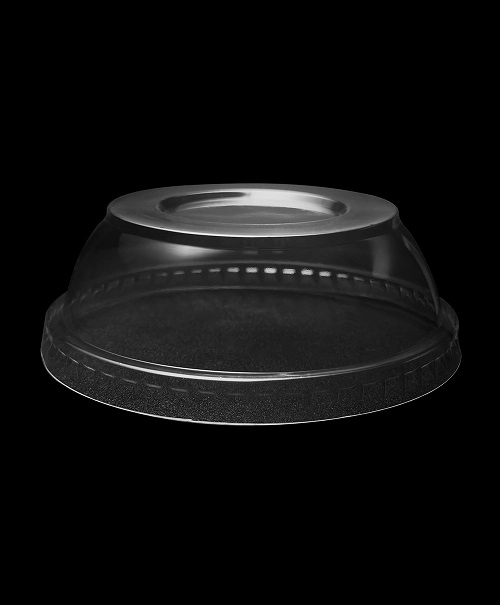
Plastic cup lids are among the most ubiquitous single-use items in daily life, found on coffee cups, fountain drinks, smoothies, and other beverages. Although often overlooked, these small components play critical roles in ergonomics, fluid containment, safety, and environmental impact.
What Are Plastic Cup Lids?
Plastic cup lids are coverings designed to seal the top of a cup, typically made from plastic resins.
They serve several purposes:
- Prevent spills and splashes
- Maintain temperature and drinking comfort
- Support straw insertion or sipping
- Provide branding and functional features
They are used in foodservice businesses, fast-food outlets, coffee shops, vending environments, and outdoor events.
Common Materials and Chemical Properties
Plastic cup lids are manufactured primarily from thermoplastic polymers that can be melted and formed repeatedly without significant degradation.
Key materials include:
Polystyrene (PS)
- Properties: Rigid, clear, good for cold drinks
- Use Cases: Lids for fountain drinks and iced beverages
- Advantages: Low cost, good clarity
- Disadvantages: Brittle, not suitable for hot liquids
Polypropylene (PP)
- Properties: Heat resistant, durable, flexible
- Use Cases: Hot drink lids (coffee, tea)
- Advantages: High heat resistance (up to ~120°C), chemical resistance
- Disadvantages: Less transparent
Polyethylene (PE)
- Types: Low-density (LDPE) and high-density (HDPE)
- Use Cases: Some cold drink lids and slip-on dome lids
- Advantages: Tough, good impact resistance
- Disadvantages: Less rigid than PS
Bio-based/Compostable Polymers
- Examples: Polylactic acid (PLA), starch blends
- Use Cases: Sustainable alternatives (cold drinks only)
- Advantages: Renewable feedstocks
- Disadvantages: Lower heat resistance; need proper composting facilities
Thermoplastic Behavior:
These materials soften upon heating and harden when cooled, enabling molding processes such as injection and thermoforming.
Lid Design and Functional Features
Plastic lids are more than simple covers; they are engineered to address functionality, usability, and safety.
Flat Lids
- Application: Standard cold drinks or to support straws
- Features: Central straw hole, embossed branding
- Pros: Simple and cost-effective
- Cons: Less spill protection than domed lids
Domed Lids
- Application: Thick or foamy beverages (smoothies, frappes)
- Features: Extra headroom, straw slot
- Pros: Accommodates whipped toppings
- Cons: Higher material usage, more complex molding
Sip-Through Lids
- Application: Hot beverages (coffee, tea)
- Features: Integrated opening for sipping, spill reduction
- Pros: Convenient, ergonomic
- Cons: Can leak if tipped
Slide/Cap Lids
- Application: Reusable or premium hot drink lids
- Features: Sliding closure, improved spill control
- Pros: Better seal
- Cons: Added complexity and cost
Venting Technology
For hot drinks, small vent holes (often 1–2 mm) are engineered to allow pressure equalization so the liquid flows smoothly without splashing when sipping.
Manufacturing Processes
Plastic cup lids are generally mass-produced using high-efficiency techniques:
Injection Molding
- Process: Molten resin is injected into molds, then cooled and ejected.
- Benefits: High precision, rapid cycle times, suitable for complex geometries.
- Considerations: Up-front tooling costs.
Thermoforming (for Some PS Lids)
- Process: Plastic sheets are heated and formed over molds.
- Benefits: Lower tooling costs for simple shapes.
- Considerations: Generally thicker, less precise than injection molding.
Quality Control
Critical checks include:
- Dimensional accuracy: Ensures tight fit to cup rim
- Surface quality: No burrs or sharp edges
- Material integrity: No voids, consistent wall thickness
- Fit testing: Compatibility with cup standards (ANSI/ASTM)
Standards and Compatibility
Industry standards ensure that lids and cups are interoperable across different brands and vendors.
International and National Standards
- ASTM Standards (American Society for Testing and Materials) define dimensions and performance criteria for cups and lids.
- ISO Standards may cover material safety and manufacturing practices.
Diameter and Fit
Most lids are standardized by cup diameter:
| Cup Top Diameter (mm) |
Common Lid Size |
| 80–90 |
Small cold drink |
| 90–95 |
Standard cold drink |
| 96–105 |
Large cold drink |
| 80–90 (special) |
Hot drink lids |
Proper fit prevents leaks and ensures drinker safety.
Performance: Thermal, Mechanical, and Safety
Thermal Considerations
- Hot beverages: Lids must withstand steam and liquid at 70–95 °C without warping.
- Cold beverages: Lid integrity must hold under chilled or ice conditions.
Mechanical Performance
- Impact resistance: Avoid cracking during handling
- Flexibility: Enough to snap onto cups firmly without breaking
- Seal integrity: Mating features and tolerances are engineered to maintain liquid containment
Food Safety and Regulatory Compliance
Materials must comply with food contact regulations (e.g., FDA in the U.S., EFSA in the EU):
- No harmful additives that migrate into liquids
- Heat-stable polymers for hot drinks
Environmental Impact and Sustainability
Plastic cup lids are central to sustainability discussions due to their prevalence and low recycling rates.
Disposal and Pollution
Millions of lids are discarded daily, contributing to plastic litter and ocean pollution.
Recycling Challenges
- Material mix: Some lids are PP while cup may be paper with lining.
- Collection: Small lightweight items often escape sorting systems.
- Market demand: Recycled resin markets vary regionally.
Sustainable Alternatives
- Compostable bioplastics (like PLA): Work under industrial composting but not ideal in marine/landfill conditions.
- Reusables: Encouraging use with rewards or discounts.
Lifecycle Considerations
Assessing environmental impact requires lifecycle analysis of extraction, manufacture, transport, use, and end-of-life treatment.
Health Considerations
Health and safety considerations include:
Chemical Migration
Concerns about additives like plasticizers or monomers transferring into hot liquids. Modern food-grade polymers are regulated to minimize this risk.
Microplastics
Degradation and wear during use may generate microplastic fragments, a focus of ongoing research.
Innovation and Future Trends
The industry is evolving with several promising trends:
- Advanced biodegradable polymers
- Designs for better recyclability
- Reusable lid systems tied to loyalty programs
- Digital printable lids for branding or personalization
- Smart lids with sensors (experimental)
- Sustainability innovation remains a major driver for change.
Plastic cup lids are simple in appearance but complex in function. They combine material science, mechanical engineering, and ergonomic design to meet the varied demands of hot and cold beverages. As consumer expectations and environmental standards evolve, so too will the materials and designs of these everyday products.